
Christmas has a way of pushing teeth to their limits. From hard nuts and brittle candy canes to sticky desserts shared throughout the day, festive eating habits place extra strain on teeth, fillings, and crowns.
At the same time, holiday routines are less structured as your children snack more freely and parents are distracted. These small moments are often what lead to a dental emergency at Christmas. It can be sudden tooth pain, a chipped tooth, or a knocked-out filling that can’t wait until the new year.
What makes these situations more unsettling for families is timing. Many dental clinics reduce hours or close over the Christmas period, leaving parents anxious when discomfort escalates late at night or during a public holiday.
Knowing where to find an emergency dentist in Brunswick can significantly ease that stress. For local families, Brunswick Life Dental Clinic provides reliable support when urgent dental needs arise. Understanding the proper steps to take straight away can protect your child’s smile, prevent complications, and restore peace of mind when it matters most.
Table of Contents
Common Dental Emergencies During Christmas
The festive season is full of delicious treats, family fun, and holiday excitement, but it can also be a time when dental emergencies sneak up on you. From kids playing in the yard to eating hard candies, it only takes a small accident to turn a joyful day into a stressful one.

Here are some of the most common dental emergencies that families face during Christmas and why acting promptly matters:
- Severe toothache or swelling: A sudden, throbbing toothache can ruin the holiday spirit. Often caused by decay or infection, swelling around the tooth is a warning sign that it shouldn’t be ignored. Prompt attention can prevent the problem from escalating.
- Knocked-out tooth: Whether from a fall, a bump during play, or an accidental hit, a knocked-out tooth needs immediate action. Keeping the tooth moist and seeing a dentist in brunswick gives it the best chance of being saved.
- Broken, cracked, or chipped tooth: Crunching on hard candies, nuts, or even a crisp holiday snack can chip or crack a tooth. Immediate treatment not only eases discomfort but also prevents further damage.
- Uncontrollable bleeding from teeth or gums: If bleeding won’t stop after an injury or even from gums irritated by brushing or flossing, it’s a sign that professional care is needed. Ignoring it can lead to more serious complications.
- Food or object stuck between teeth: Holiday meals can leave bits of food lodged between teeth. While often just annoying, leaving them there can cause irritation or infection if flossing doesn’t remove them.
- Lost filling or crown causing pain: A lost filling or crown exposes sensitive areas of the tooth, causing discomfort and increasing the risk of further damage. Temporary solutions can help, but a dentist should replace them properly.
Immediate Steps to Take in Any Dental Emergency
The holiday season is full of excitement, but accidents can happen when you least expect them. Acting immediately during a dental emergency can reduce pain, prevent further damage, and sometimes even save a tooth.
Here’s a guide to help you respond effectively before you reach Brunswick Life Dental Clinic:
1. Knocked-Out Tooth
Suppose a tooth gets knocked out, every minute counts. Proper handling can significantly increase the chances of saving it.
To care for a knocked-out tooth:
- Always hold the tooth by the crown, never the root, to avoid damaging cells needed for reattachment.
- Rinse it with milk or saline, never scrub or use soap.
- If possible, carefully place it back into the socket and hold it in place.
- If reinsertion isn’t possible, store it in a container of milk or between your cheek and gum.
- Contact Brunswick Life Dental Clinic immediately, as professional care is crucial.
2. Broken, Cracked, or Chipped Tooth
A sudden bite on a hard treat or an accidental fall can chip or crack a tooth. Taking immediate steps can prevent further damage and reduce discomfort.
Here’s how to manage it until you reach your dentist:
- Rinse your mouth with warm salt water to clean the area.
- Apply a cold compress externally to reduce swelling and numb pain.
- Cover sharp edges with dental wax or sugar-free gum to protect your tongue and lips.
- Avoid chewing on the affected side.
- Call Brunswick Life Dental Clinic to have the tooth professionally repaired.
3. Severe Toothache
A sudden, sharp toothache can ruin a holiday gathering and often indicates decay, infection, or pressure on the tooth nerve. Acting early can help manage pain and prevent complications.
To manage a severe toothache before professional care, do the following:
- Rinse your mouth with warm salt water to soothe irritation and remove trapped debris.
- Floss around the tooth to remove any lodged food.
- Apply a cold compress externally to help reduce swelling.
- Avoid very hot or very cold foods, as they can worsen sensitivity.
- Contact Brunswick Life Dental Clinic promptly to address the root cause.
4. Abscessed Tooth or Gum Infection
A dental abscess is a serious condition that can spread if left untreated. Early care is essential to prevent complications and relieve discomfort.
Here’s what you should do if you notice an abscess:
- Never attempt to pop or drain it yourself, as this can worsen the infection.
- Rinse with warm salt water to reduce bacteria.
- Avoid touching the swollen area or applying heat.
- Contact Brunswick Life Dental Clinic immediately for urgent treatment.
- Prompt intervention protects your overall health and prevents the infection from spreading.
5. Lost Filling or Crown
Losing a filling or crown exposes the tooth, making it sensitive and more vulnerable. Temporary measures can reduce discomfort until professional care is available.
To manage a lost filling or crown:
- Cover the exposed area with sugar-free gum or dental wax.
- Avoid chewing on that side to prevent further damage.
- Keep the lost crown or filling in a clean container and bring it to your dentist.
- Schedule an appointment with Brunswick Life Dental Clinic as soon as possible for restoration.
Extra Tips for Holiday Dental Safety
- Encourage children to avoid biting hard candies, nuts, or bones.
- Supervise kids during play, especially near stairs or slippery surfaces.
- Maintain brushing and flossing routines, even during holiday indulgences.
- Keep a small dental emergency kit handy with gauze, wax, gloves, and a cold pack.
Remember: Acting promptly and contacting a professional can save teeth and prevent serious complications. If you experience any of these emergencies, contact Brunswick Life Dental Clinic immediately. Early care helps keep your smile healthy and your holidays joyful.
Need Immediate Dental Assistance? Brunswick Dental Can Help!
Dental pain or injury can escalate, especially when left untreated. If you or your child is experiencing a severe toothache, dental trauma, swelling, infection, or a broken tooth, timely care can make a critical difference.
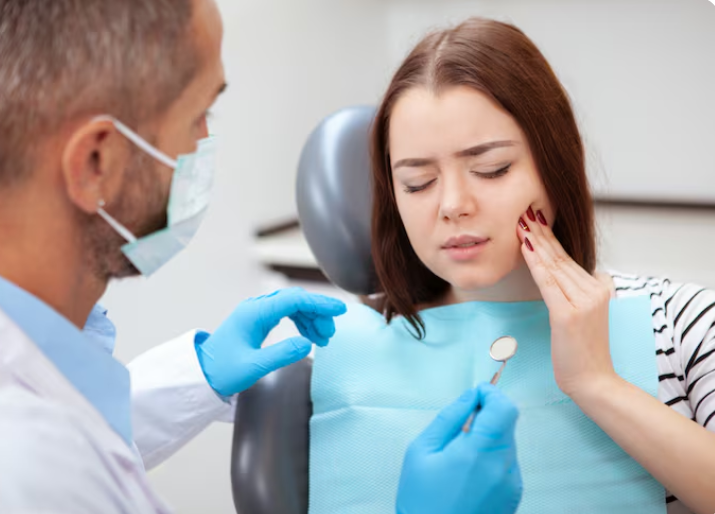
Brunswick Life Dental Clinic offers emergency dental care for local patients, focusing on relieving discomfort, stabilising the problem, and preventing further complications. Early assessment allows the dental team to address the underlying cause safely and appropriately, reducing the risk of infection or long-term damage.
If you’re unsure what to do next, contacting Brunswick Life Dental Clinic right away for assistance, as soon as possible, may be the only way to save a tooth. Prompt communication helps determine the urgency of your situation and the most suitable next steps. Call, book online, or contact Brunswick Life Dental Clinic today to access professional support when you need it most.
FAQs
What to do if you have a toothache and the dentist is closed?
If you develop a toothache after clinic hours, rinse your mouth with warm salt water to keep the area clean. Apply a cold compress to the outside of your cheek to reduce swelling and take appropriate pain relief. Avoid placing medication directly on the tooth or gums. If pain continues, swelling increases, or sleep is affected, contact Brunswick Family Dental Clinic as soon as services resume for professional assessment.
What should I do if my child knocks out a tooth?
If a permanent tooth is knocked out, handle it by the crown only. Keep it moist in milk or saliva if it cannot be returned to the socket. Seek urgent dental care immediately, as timing is critical. If the tooth is a baby tooth, do not try to reinsert it, but arrange a prompt dental review to ensure there is no damage to surrounding teeth or gums.
Is a broken tooth always a dental emergency?
A broken tooth is not always an emergency, but it should never be ignored. If the tooth is painful, bleeding, sharp, or sensitive to temperature, it requires urgent dental attention to prevent infection or further damage. Minor chips without pain can usually wait for a scheduled appointment, but assessment at Brunswick Family Dental is still recommended to protect the tooth long-term.
How long do I have to save a knocked-out tooth?
A knocked-out permanent tooth has the best chance of being saved if treated within 30 to 60 minutes. Keeping the tooth moist and seeking immediate dental care significantly improves the likelihood of successful reattachment.
How can I prevent dental emergencies?
Preventing dental emergencies starts with regular dental check-ups, good daily oral hygiene, and avoiding hard or sticky foods that can damage your teeth or restorations. Wearing a mouthguard during sports, supervising children during active play, and addressing dental concerns early at Brunswick Family Dental can significantly reduce the risk of unexpected emergencies.